Showing posts with label patient safety. Show all posts

Saturday, April 11, 2009

Motorcycling and Surgery


I'm afraid to write this because it might cut into my credibility, but the internet is a "safe" place to write, so here goes.

I am a surgeon, and I also ride a motorcycle. I have ridden off and on for forty years! I rode for a while while I lived in Cleveland, Ohio, but it was too cold, and the children were too young, and it wasn't very safe in a big city. So I sold the bike (a 1969 Triumph tiger) and quit for about 20 years.

In my early 40's I picked up the bug again, and bought a Yahama Virago, and living in North Carolina then, I decided to ride the length of the Blue Ridge Parkway. If you have never ridden on this road it is a must. Probably one of the most beautiful roads in the United States.

Well, I practiced, took the Motorcycle Safety Foundation course on safety, and took a 10 day vacation and took the trip. It was beautiful. I stayed with friends along the way, and had a ball. I had intended to sell the bike after the trip, but I didn't and that was over 20 years ago. Since then, I have been up to Ohio to the Vintage Motorcycle Days meeting, ridden across the USA twice, and traveled up the northeast part of the country besides taken numerous smaller trips of a few days in the surrounding vicinity. Finally, I took a once in a lifetime 10 day trip over to Europe and traveled through the alps. It just never left my blood, and I still yearn for more travels.

But why do I do this, and for that matter, what can it possibly have to do with surgery? More that most of you folks that do not ride a motorcycle can imagine.

To get right to the point, motorcycling is like surgery because you have to know what you are doing or you get your butt in a jam. You have to know the rules, be careful, and watch our for unexpected circumstances. The major difference is that when you ride a motorcycle, you get a full sense of freedom and a deep appreciation of the nature of your surroundings.

It hurts me to go to a state (like Arizona) where there are no helmet laws, and see riders biking without a helmet. That makes me immediately think they do not understand the depth of the risk. They are being foolish as far as I can see. When I see someone drinking alcohol, and biking, I get the same feeling. I guess that's why they are not surgeons. There are more effective ways to demonstrate the idea of individual freedom. Our heads are fragile at 25mph, and it's just not worth it.

Because I do what I do, I feel at home on a bike. The best part is that even though I am in familiar surroundings, I can get the additional benefit of the feeling of freedom. I don't get that in the operating room.

So when you ride, I would advise you to ride safe. Wear good clothing, helmets, and shoes, and enjoy the experience. I have enjoyed it for years, and hopefully can continue to enjoy it for many more.

James P. Weaver, M.D., FACS

Thursday, April 9, 2009

Safety and Liberty, always competing


Safety and Liberty, two ideals which are constantly competing for primacy in our tempestuous lives. Most of us do not even see this battle, but it is going on in many venues. We just have to look for it.

I became aware of this struggle, and ordered my priorities in the battle over motorcycle helmet laws. I wanted more liberty, because I believe liberty strengthens us to face life as confident people. Liberty gives us the essence of our yearning to be a whole person. To have liberty, to be free, is an instinct infused into our souls at creation. We continue to search for it.

With the motorcycle helmet laws, the "safety people" want everyone to wear a helmet at all times- it's safer. The "liberty people" want to have the freedom to choose. Yes, they are safer, and I always wear one when I ride, but safety is not the only, or for that matter, the most important issue to consider.

The safety people want to preserve life-their priority- by being safe. Understood. But in the choice between life and liberty, which is the most important? My assessment is liberty! It is certain that many of us have sacrificed life to preserve liberty. Isn't that why many of us have died in war? In a multitude of circumstances, liberty easily trumps safety.

I can think of many examples where this battle rages on lesser levels: bicycle laws about helmets, seat belts in cars, walking up a hill with your 8 year old child, playing high school sports, and almost anything where their is a danger to life or limb. I believe that a child raised without liberty and all safety will lack essential attributes to succeed in the world: self confidence, ambition, and creativity to name a few. But again, from my perspective, liberty is most important.

The latest area in medical care which illustrates this conflict is the area of "patient safety." I don't have anything against patient safety, but it can go too far. Currently, it has become such a craze, that it is threatening to remove any semblance of professional liberty from the practice of medicine. Not only do we surgeons talk to the patients about their surgery, and have them sign a "request" for surgery, but we have to mark the site of the surgery before the patient enters the operating room, and then do a "time out" and repeat it all over again. The latest potential addition to this liturgy is a World Health Organization check list that the followers of this movement are potentially going to lay on us!

In surgery, this control came about because of "wrong patient or wrong site surgery." But how many of these occur (the numerator) and how many surgeries are there anyway (the denominator)? Isn't there a little bit of throwing out the baby with the bath water here?

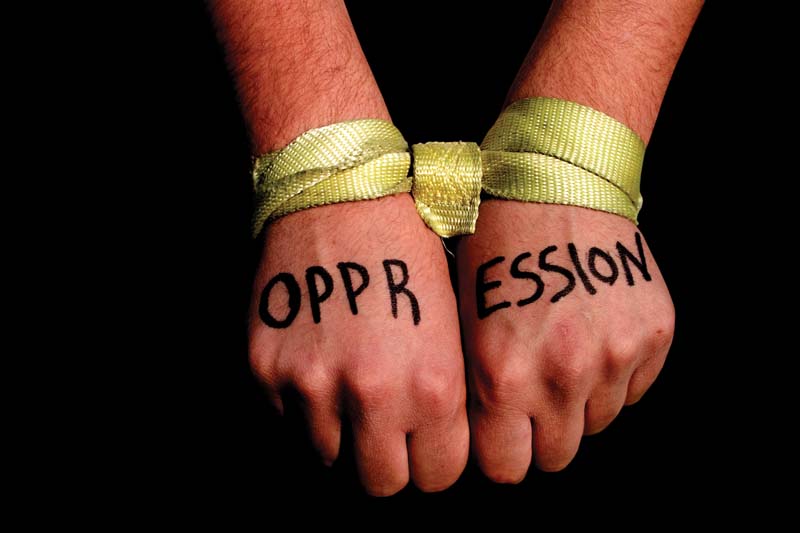
I do not think we have carefully thought this through. "Safety uber allis," and to hell with liberty. There is no understanding or concern of the culture that this oppressive system is creating.

Do the safety people believe that physicians cannot create a safe environment or that they do not think patient safety is laudable? We have been thinking about it since the Oath was first spoken.

Physicians, especially surgeons, are a motivated group. We have succeeded in elementary school, high school, college, and have gone through rigorous training to reach a high level of societal responsibility. This is the essence of the "professional liberty" that society previously granted for completing this training. For me, and many others, this quest for liberty, is one of the motivations that propelled us along this arduous road. Is it wise to take this liberty away?

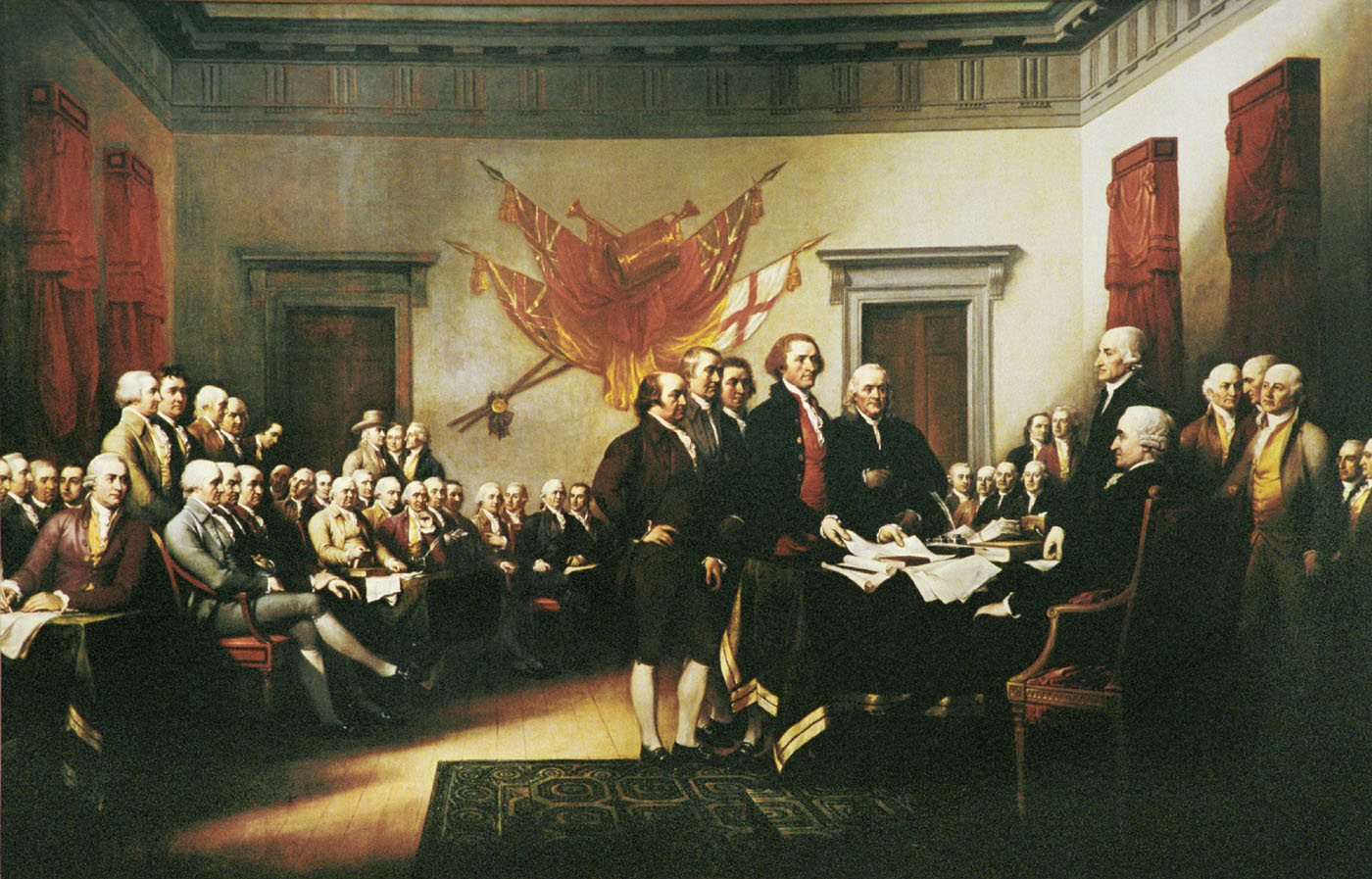
"We hold these truths to be self evident, that all men are created equal, that they are endowed by their Creator with certain unalienable Rights, that among these are Life, LIBERTY, and the pursuit of Happiness." These words were written by wise men. They were chosen because they understood the importance of liberty as essential to a full life. They didn't say "life, safety, and the pursuit of happiness." Many of them died in defense of their philosophy.

Patient safety must develop limits to its protocols. The continued erosion of professional liberty will not promote the excellence in medical care that we all strive for. Further equitable cooperation between practicing physicians and regulators must occur to preserve professional liberty and produce the optimal outcome for patient care that we all covet.


James P. Weaver, M.D.,FACS

Saturday, February 28, 2009

A Problem with Patient Safety?

Don't think I'm about to write that patient safety is the best thing that ever happened to medical care. I'm not. I think it might be useful sometimes, and is occasionally a reasonable addition to procedures in medicine, but the problem with "patient safety" is that there are NO LIMITS to its implementation.

All this patient safety began around the time of the publication of the book, To Err is Human. It was published by the Institute of Medicine in 1999. There had been rumblings about safety before that, but that book began the major onslaught of regulations. JACHO, CMS, state agencies, leap frog, medical board organizations, insurance companies and others, too many to count,began to apply their own regulations to support the growing idea that the doctors were dangerous and needed to be controlled! After all, doctors kill over 100,000 patients/yr. with mistakes.

First of all, I'm not certain that figure is accurate. I have been in medicine for over 30 years, and I can barely remember deaths caused by errors. Is giving the "wrong" antibiotic prior to culture results a mistake; is an incisional hernia a mistake; is an infection after surgery a mistake (even in a malnourished patient); is a heart attack after a below knee amputation a mistake? These numbers added up, and fed the final conclusion of 100,000. These numbers are based on research done in the 1980s to discover why there were so many malpractice suits, and I have questions about these statistics. It sounded good, and this conclusion opened the door to control and regulation of doctors with no limits. After all, who can speak up against "patient safety?" Not me!
But there is problem with this crusade. "Outsiders" have been given authority to manipulate and control all aspects of physician behavior to the extent that any semblance of professionalism is being decimated. Professionalism includes the concept of PROFESSIONAL FREEDOM, and this has disappeared in medical practice. CMS demands some of these rules because of payment constraints, but they all jumble together to control the day to day behavior of physicians. Do they really believe we are trying to make errors? It just happens decisions in medical care are difficult, and that's why we used to be paid well for our work.

The words we use in our "private patient charts," the details of behavior in the operating room, the "time out," the concept of patient consult versus evaluation, instrument and sponge counts on cases with incisions only 3 centimeters long; updating a physical exam prior to surgery, re-dating the operative request;signing verbal orders within 24hours, dictating operative notes within 24 hours, and not to mention the continued devaluation of our services through reimbursement reduction, are just a few examples of the ever increasing infringement on professional liberty that physicians are forced to endure. Are these checks useful? Maybe some of them, we don't truly know. One thing, however, is for sure: they are selecting a certain type of physician who will practice in the future in this oppressive environment. This "new" doctor will be the type who will not live a life for medicine or for the patients. Medicine will become a job, a supplement to a "lifestyle" which offers time off, reasonable payment, time for family, and time for other "more important" activities. As long as these doctors follow the RULES, and stay under the radar of the regulators, they can continue to work at their job. Fortunately, it was not a job in the past, it was a profession.

Surgeons are now required to do a "time out" prior to operation. I have never operated on the wrong patient or wrong side in 30 years. But we are now required to mark the site prior to surgery, have the request signed before surgery, and discuss the site of surgery before we do it. I am surprised that we are not required to turn around three times after the "time out" and do it again to make sure we have the right patient!

If the specialty organizations-American College of Surgeons, American College of Physicians, American College of Cardiology, etc.- do not begin to speak up against the continued oppression of physicians, and begin to demand some reasonable limits to these oppressive regulations, I fear the patients of the future will be treated by physicians who are not particularly concerned or motivated to get the best for each patient. These new physicians will be a "physician bureaucrat" who is enforcing the RULES of "the system." I do not believe this is a bargain society wants. There can be no profession without "professional liberty." Professional behavior and motivation depends upon it.

James P. Weaver, M.D.