All this patient safety began around the time of the
 publication of the book, To Err is Human. It was published by the Institute of Medicine in 1999. There had been rumblings about safety before that, but that book began the major onslaught of regulations. JACHO, CMS, state agencies, leap frog, medical board organizations, insurance companies and others, too many to count,began to apply their own regulations to support the growing idea that the doctors were dangerous and needed to be controlled! After all, doctors kill over 100,000 patients/yr. with mistakes.
First of all, I'm not certain that figure is accurate. I have been in medicine for over 30 years, and I can barely remember deaths caused by errors. Is giving the "wrong" antibiotic prior to culture results a mistake; is an incisional hernia a mistake; is an infection after surgery a mistake (even in a malnourished patient); is a heart attack after a below knee amputation a mistake? These numbers added up, and fed the final conclusion of 100,000. These numbers are based on research done in the 1980s to discover why there were so many malpractice suits, and I have questions about these statistics. It sounded good, and this conclusion opened the door to control and regulation of doctors with no limits. After all, who can speak up against "patient safety?" Not me!
But there is problem with this crusade. "Outsiders" have been given authority to manipulate and control all aspects of physician behavior to the extent that any semblance of professionalism is being decimated. Professionalism includes the concept of PROFESSIONAL FREEDOM, and this has disappeared in medical practice. CMS demands some of these rules because of payment constraints, but they all jumble together to control the day to day behavior of physicians. Do they really believe we are trying to make errors? It just happens decisions in medical care are difficult, and that's why we used to be paid well for our work.
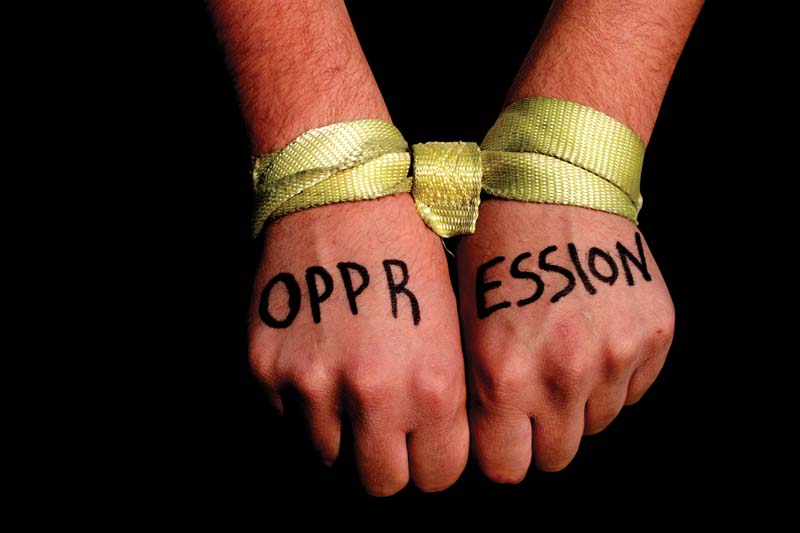
The words we use in our "private patient charts," the details of behavior in the operating room, the "time out," the concept of patient consult versus evaluation, instrument and sponge counts on cases with incisions only 3 centimeters long; updating a physical exam prior to surgery, re-dating the operative request;signing verbal orders within 24hours, dictating operative notes within 24 hours, and not to mention the continued devaluation of our services through reimbursement reduction, are just a few examples of the ever increasing infringement on professional liberty that physicians are forced to endure. Are these checks useful? Maybe some of them, we don't truly know. One thing, however, is for sure: they are selecting a certain type of physician who will practice in the future in this oppressive environment. This "new" doctor will be the type who will not live a life for medicine or for the patients. Medicine will become a job, a supplement to a "lifestyle" which offers time off, reasonable payment, time for family, and time for other "more important" activities. As long as these doctors follow the RULES, and stay under the radar of the regulators, they can continue to work at their job. Fortunately, it was not a job in the past, it was a profession.
Surgeons are now required to do a "time out" prior to operation. I have never operated on the wrong patient or wrong side in 30 years. But we are now required to mark the site prior to surgery, have the request signed before surgery, and discuss the site of surgery before we do it. I am surprised that we are not required to turn around three times after the "time out" and do it again to make sure we have the right patient!
If the specialty organizations-American College of Surgeons, American College of Physicians, American College of Cardiology, etc.- do not begin to speak up against the continued oppression of physicians, and begin to demand some reasonable limits to these oppressive regulations, I fear the patients of the future will be treated by physicians who are not particularly concerned or motivated to get the best for each patient. These new physicians will be a "physician bureaucrat" who is enforcing the RULES of "the system." I do not believe this is a bargain society wants. There can be no profession without "professional liberty." Professional behavior and motivation depends upon it.
James P. Weaver, M.D.

